Mabon - Autumn Equinox
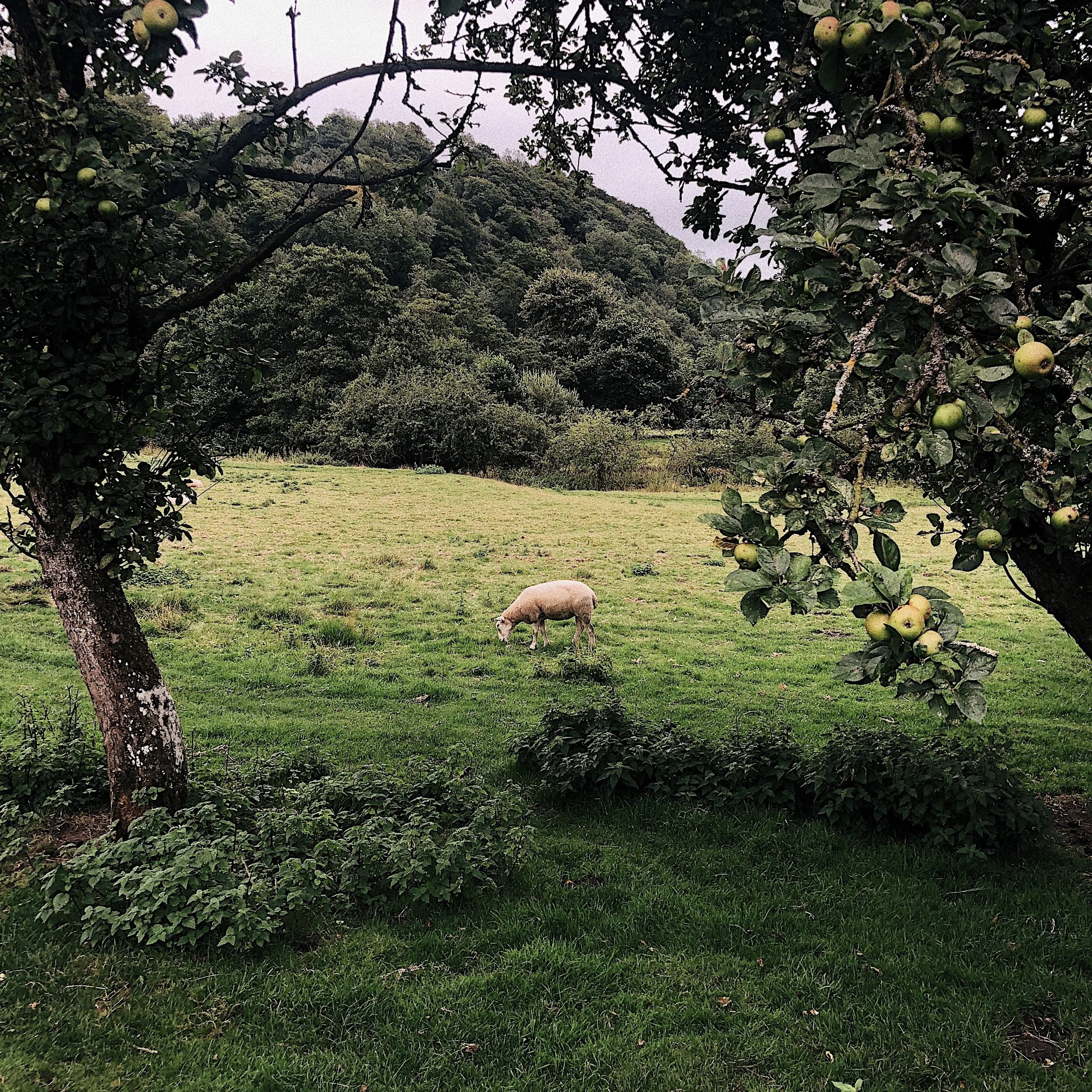
The mornings in September have a little more darkness around their edges and the evenings start to arrive earlier than they did only a few weeks ago. The first leaves begin to turn, apples hang heavy on the trees, and there is a coolness in the air that wasn't there before.
Summer isn't quite gone, but autumn has arrived - knocking quietly at the door.
The Autumn Equinox marks the moment when day and night are almost equal in length, before the balance tips and darkness begins to take up more of the year. It is a time of harvest, gratitude and balance - but also of letting go.
What is Mabon?
Mabon is the modern Pagan name commonly given to the Autumn Equinox, which usually falls around 21–23 September. Unlike some of the other festivals in the Wheel of the Year, Mabon is not the name of an ancient Celtic festival. The name itself is relatively modern, coined in the 1970s by American Pagan author and teacher Aidan Kelly. He associated the festival with Mabon ap Modron, a figure from Welsh mythology.
The Autumn Equinox itself is much older than the name Mabon. For centuries people have marked the changing seasons and the movement of the sun. The equinoxes and solstices were important points in the agricultural year, and the approach of autumn brought the tangible reality of harvest, preparation and the coming winter. So although Mabon may be a modern name, the seasonal experience it represents is ancient.
What I like most about this point on the Wheel is that you don't need to look very far to understand it. Just go outside.
The season of harvest
Autumn has always been a season of gathering. The great harvests of late summer and early autumn were a matter of survival. Grain was brought in, fruit gathered, vegetables stored and animals prepared for the winter ahead. There was celebration of course, but there was also hard work and an awareness that what was gathered now would sustain people through the darker months. This is why harvest traditions so often carry themes of gratitude and abundance.
In Britain, the traditional Harvest Festival became associated with the gathering of crops - with churches decorated with fruit, vegetables, flowers and sheaves of grain as people gave thanks for the harvest and the food that would carry communities through winter. There are older customs woven into this too. The harvest has long been accompanied by feasting, singing, dancing and communal celebration. The last sheaf of grain was sometimes treated with particular significance, becoming the focus of rituals and customs that varied from place to place.
And then there are the quieter traditions that don't necessarily belong to any one festival at all:
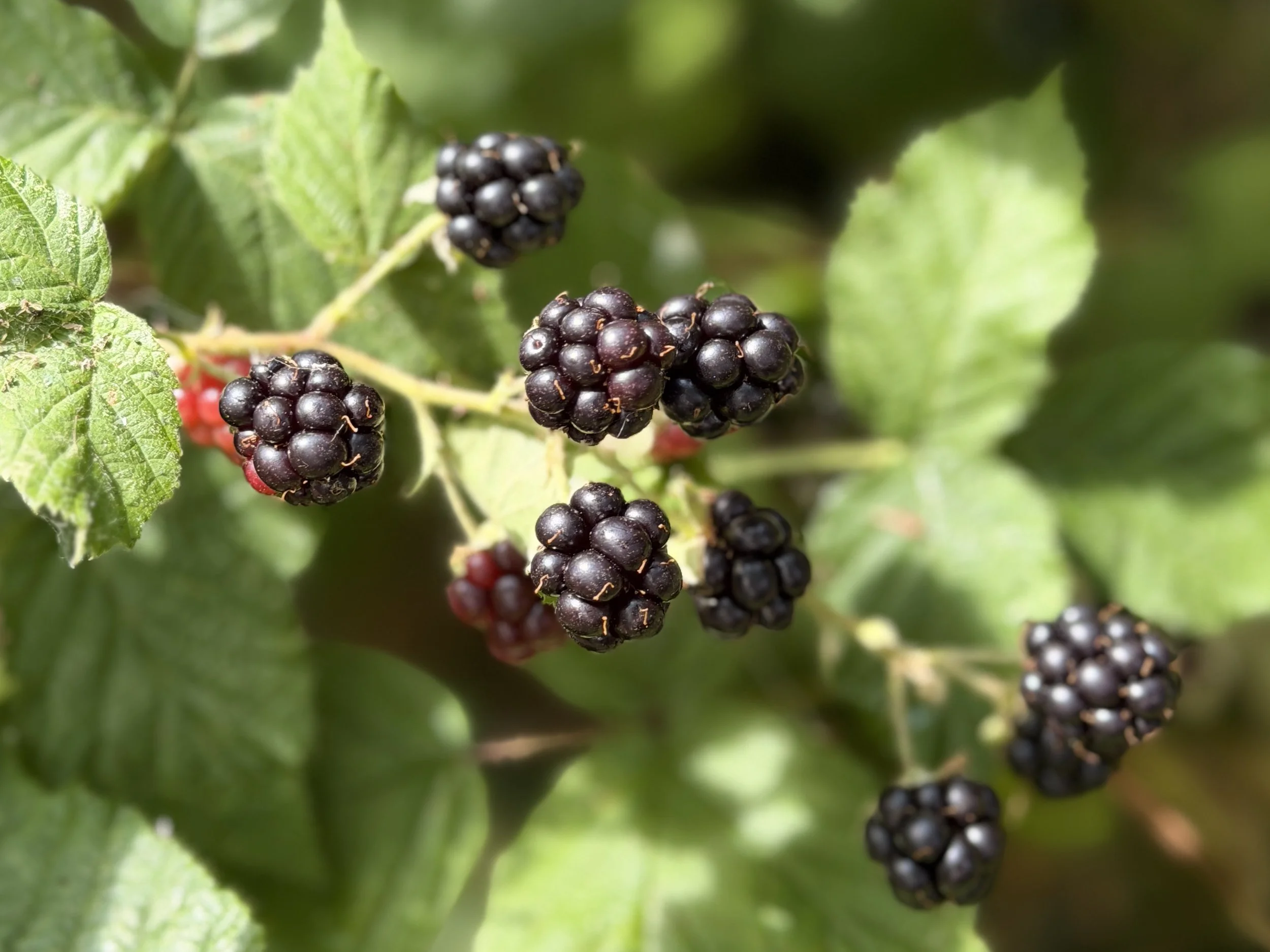
Picking blackberries.
Collecting conkers.
Gathering apples.
Making preserves and chutneys.
Bringing in the last flowers from the garden before the frost.
Walking through fallen leaves.
There is something wonderfully ordinary about these seasonal rituals, and perhaps that is where the magic really lies.
The balance of light and dark
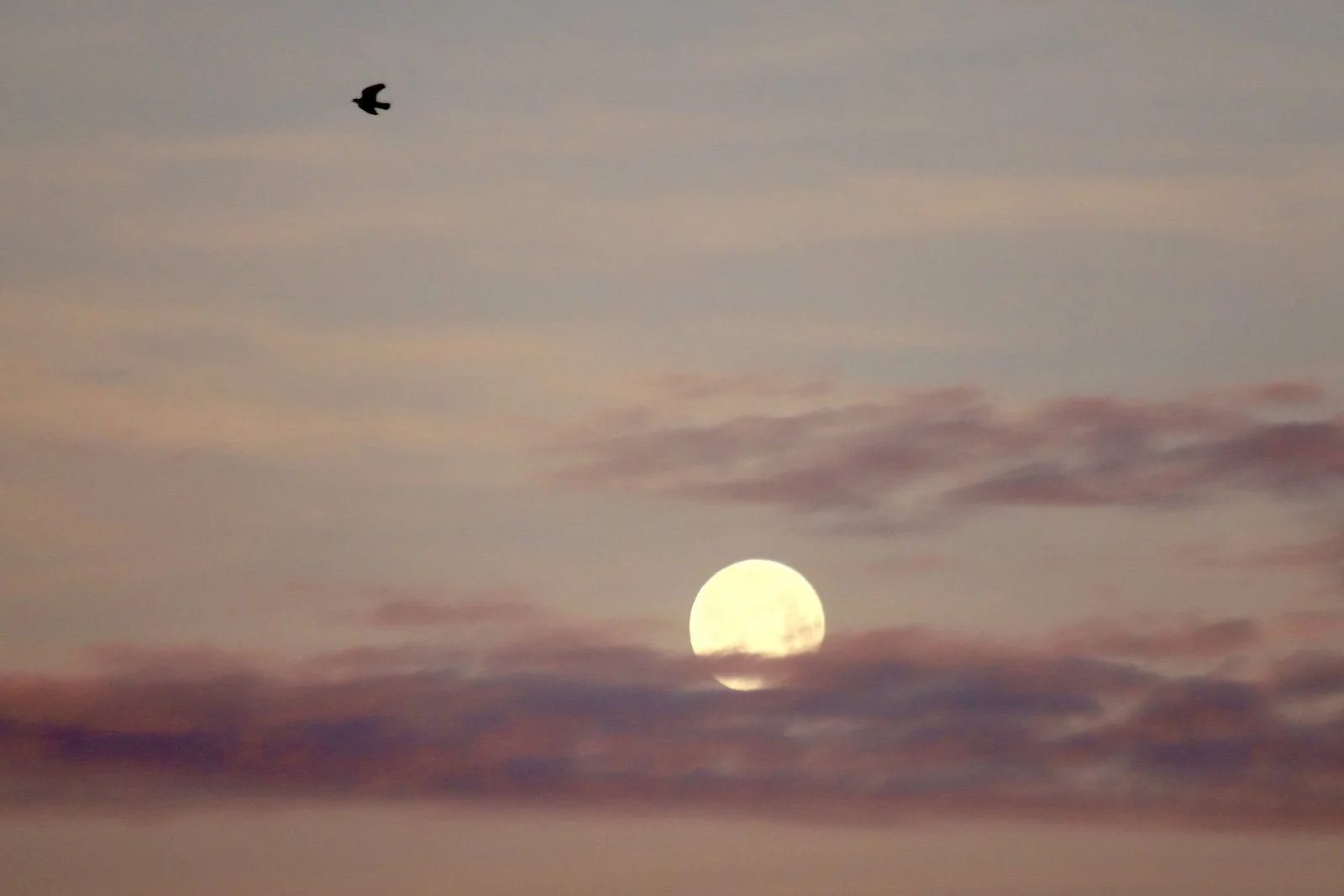
The Autumn Equinox is a festival of balance - of equilibrium. For a brief moment, day and night are almost equal before the balance begins to shift towards longer nights. The Wheel of the Year isn't a straight line. It is a cycle of expansion and retreat, light and darkness, growth and decay. At Mabon, we reach another threshold - a moment to pause before the year begins its journey inward. It’s also a reminder that darkness isn't something to be feared or fought, it’s simply part of the cycle.
The leaves fall because they have finished their work. The fields are harvested because the crops have reached their fullness. The natural world begins to conserve its energy. Everything is beginning to turn inward and maybe we can do the same.
Symbols and correspondences
The Autumn Equinox is a festival of harvest - of recognising what has grown, what has been gathered and what we have carried with us through the brighter half of the year.
Some of the symbols commonly associated with Mabon include:
🍎 Apples — harvest, knowledge, nourishment and the turning of the seasons.
🌾 Wheat and grain — abundance, sustenance and the fruits of our labour.
🍂 Fallen leaves — change, impermanence and the beauty of letting go.
🌰 Nuts and seeds — potential, preservation and preparation for the future.
🍇 Grapes and wine — harvest, celebration and transformation.
🔥 Fire — warmth and light as the days grow darker.
🕯️ Candles — a small reminder of the light we carry with us into the darker half of the year.
The colours of the season are everywhere around us too: russet, gold, ochre, deep green, brown and the last fading traces of summer.
The urge to prepare
I've noticed that around this time of year, I suddenly want to clean and tidy everything. Not just a quick tidy, but a full on urge to sort, clear out, reorganise and make the house feel ready for the season ahead. Cupboards get emptied. Drawers get sorted. Things I've happily ignored for months suddenly become completely intolerable.
Maybe it's the change of season, or maybe there is something deeply instinctive about preparing our homes as the days become shorter and we begin to spend more time indoors. Either way - I'm leaning into it. There is something sooo satisfying about clearing away the old and making space for what comes next which feels rather appropriate for Mabon. We gather what we need, we put things in order and we prepare for the season ahead.
Ways to celebrate Mabon
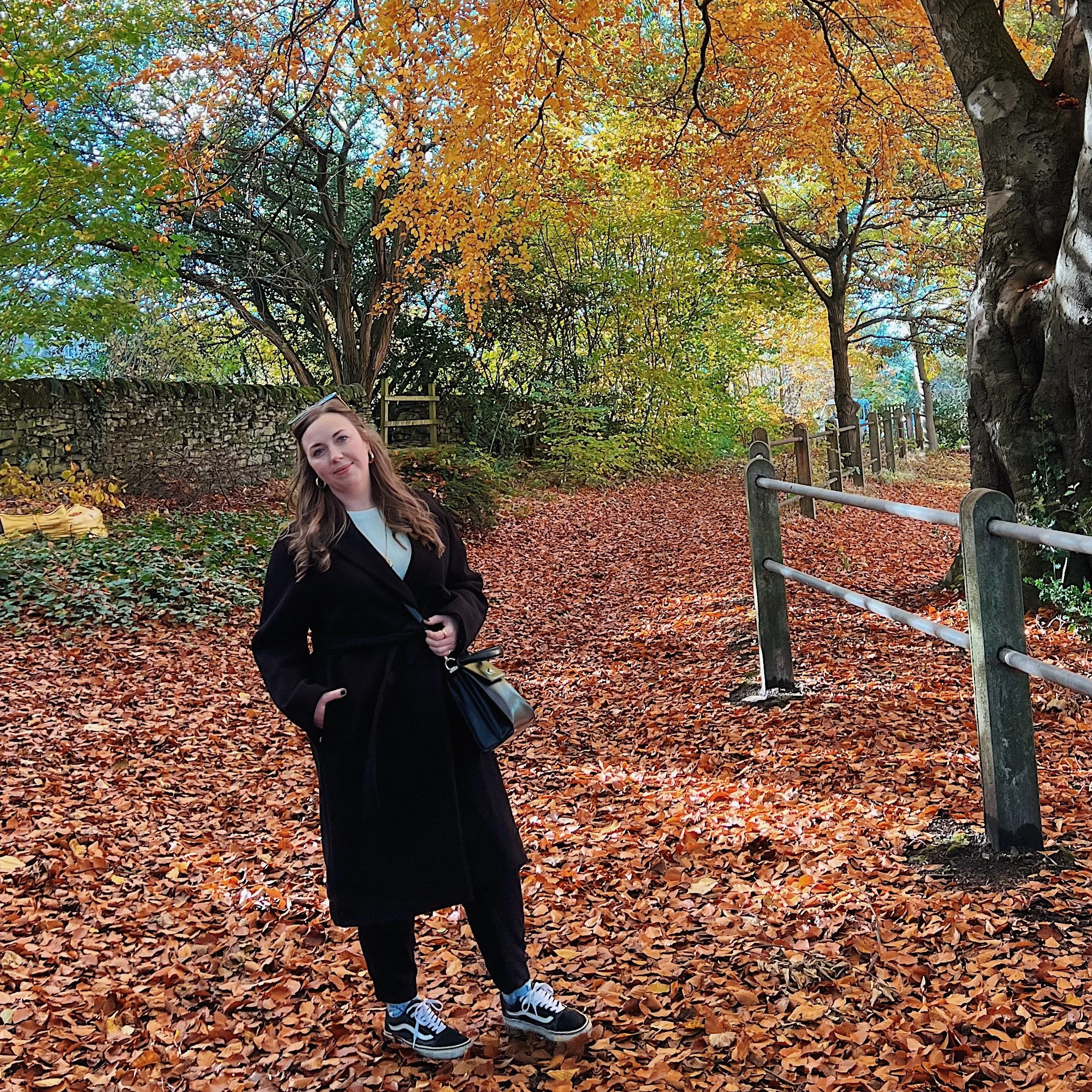
There is no right way to celebrate the Autumn Equinox. For me, the loveliest celebrations are often the simplest ones - things that encourage us to actually notice the season we're living in.
Go for an autumn walk
This feels almost too obvious, but it's one of the best ways to mark the equinox.
Notice what has changed since your last walk. Which trees are beginning to turn? What berries or fruits are growing? What birds can you hear? How does the light feel?
The Wheel of the Year is really just an invitation to pay attention.
Gather something
Pick apples or blackberries. Collect fallen leaves, conkers or acorns. Bring home a little piece of the season. You don't need to turn your haul into anything elaborate. Sometimes simply noticing and gathering is enough.
Cook something from the harvest
Make an apple crumble, roast some root vegetables, bake something with blackberries or make a warming soup. Food is one of the most tangible ways we can connect with the seasons, and there is something particularly satisfying about eating something that belongs to this time of year.
Make a gratitude list
Mabon is often associated with gratitude and abundance. Think about the things you've gathered over the last six months - not just physical things, but experiences, friendships, lessons, memories and moments of growth. What are you grateful to be carrying into autumn?
Have an equinox evening
As the balance shifts towards darkness, light a few candles, make something warm to drink and spend an evening without rushing. Read. Journal. Listen to music. Knit. Sit outside if the weather allows. You don't need to perform a ritual, you can simply be present for the turning of the year.
Let something go
If Mabon is about balance, it is also about recognising what no longer needs to come with us. Write down something you would like to leave behind as you move into the darker half of the year. It might be a habit, an expectation, an old story about yourself, or simply something you've been holding onto for too long.
Go deeper
📖 Read
Look for books and folklore collections about British harvest traditions, seasonal customs and the folklore of the countryside. Autumn is also a beautiful time to return to nature writing and stories that celebrate the changing landscape.
🌿 Explore
Go outside and look for the first unmistakable signs of autumn. Make a note of what you find and return to the same place throughout the season to see how it changes.
📝 Journal
What have I gathered this year? What has grown, and what am I ready to let go of?
🃏 Tarot
What am I being asked to recognise, release or carry forward as the seasons change?
🎨 Create
Make a little autumn nature collection, paint the colours you find on a walk, press some fallen leaves, sketch an apple or simply photograph the small details that tell you autumn has arrived.
A little Mabon ritual
If you would like to mark the equinox with a simple ritual, gather a candle, something from nature and something that represents what you are grateful for.
Light the candle and take a few quiet moments to think about the year so far.
What has grown?
What have you gathered?
What are you grateful for?
And what are you ready to leave behind?
You could write these down, say them aloud, or simply hold them in your thoughts.
When you're ready, take your natural object outside and return it to the earth.
A small acknowledgement of the season turning.
This year I'm...
This year I'm leaning into autumn properly, as I always do. I want to make the most of the crisp mornings and golden light, take slow walks with rosy cheeks, spend more evenings at home with my knitting, books and a hot chocolate, and enjoy that lovely feeling of making the house cosy as the nights draw in. I've also got a strong urge to sort absolutely everything, so I suspect there will be a fair amount of autumnal nesting involved.
More than anything, I want to let myself enjoy this season for what it is. Not rushing ahead to the next thing, but noticing the little changes as they happen and making time for the things that make this time of year feel special.
A final thought
What I love most about the Autumn Equinox is that it gives us a moment to pause as the year turns. Summer is beginning to loosen its grip, the light is changing and the natural world is quietly preparing for what comes next. There is something comforting in watching that happen without resistance; the trees simply let the leaves fall when they are ready, and the landscape moves naturally from one season into another.
I think there is something we can take from that. We don't have to hold onto every part of what has been simply because it was good. We can be grateful for the season we've had, take what we need from it, and make space for whatever comes next. The Wheel keeps turning, and there is comfort in knowing that nothing is ever truly standing still.