Lammas - The First Harvest
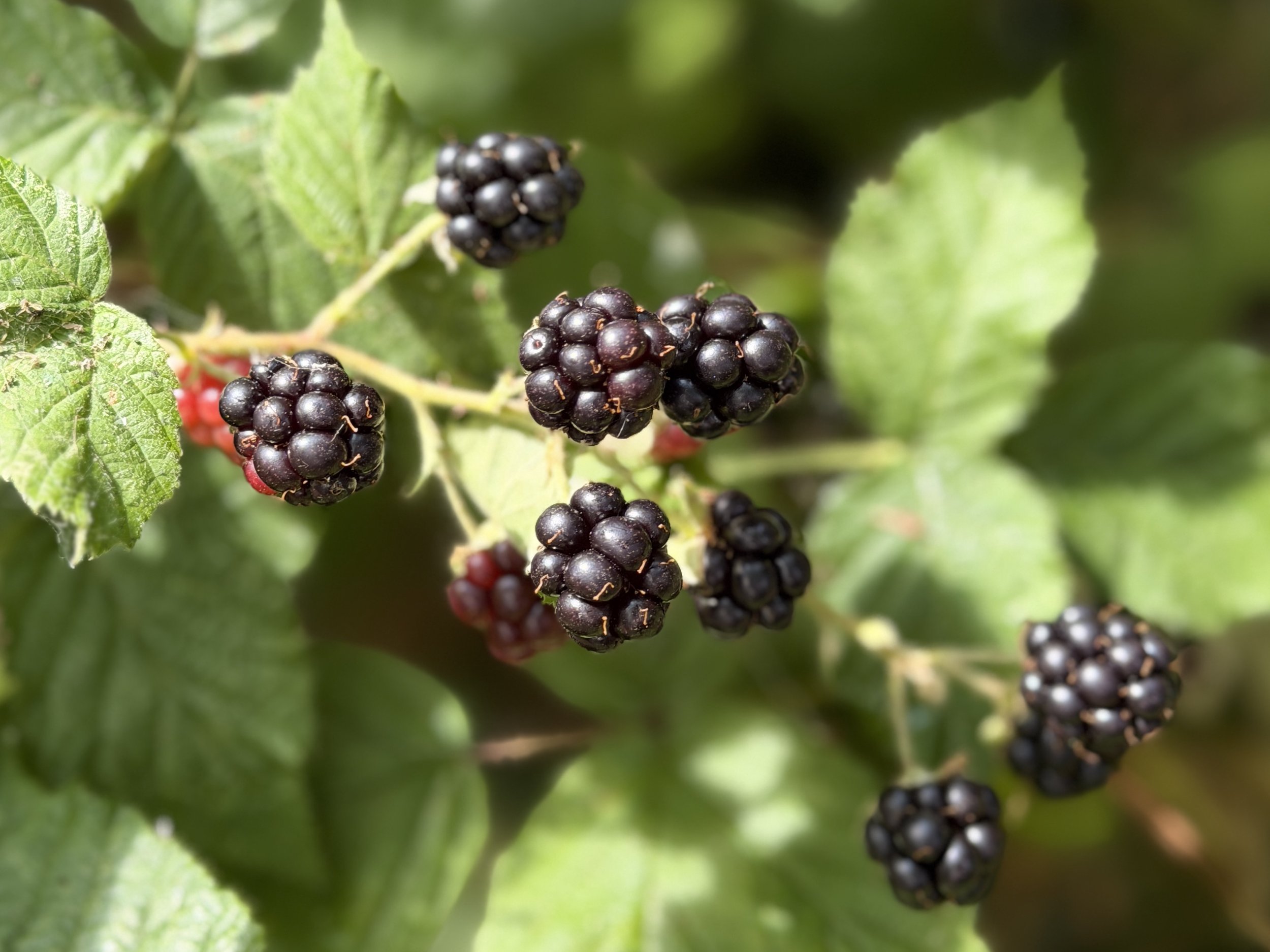
A little later than usual, I’m arriving at Lammas – the first harvest. Traditionally celebrated around the 1st August, Lammas marks the beginning of the grain harvest and the point where summer begins its slow turn towards autumn. I’m writing this a little after the traditional date, but somehow that feels rather appropriate - the seasons don't change overnight just because the calendar tells them to. The fields take their time, the blackberries ripen when they're ready, and the first signs of autumn arrive gradually at the hazy, languid edges of summer. I should start by saying I don’t particularly love summer. I don’t love the heat, the sticky nights, or that slightly oppressive feeling that seems to arrive when everyone else is declaring it the best time of year.
I must also admit, there is something slightly uncomfortable about writing a post celebrating the first harvest this year. As I write this, parts of Britain are experiencing drought following a series of intense heatwaves and very little rain. Farmers are facing difficult growing conditions, and the effects of this weather are being felt across our food system. The harvest is not simply a picturesque scene of golden fields and blackberry filled hedgerows - it is something people depend upon and this year's conditions have made that particularly visible. Looking out of my window as I write this, the grounds around our apartment complex are a far cry from the lush green of early summer. The grass has faded to a pale, straw like yellow, with patches of brown and bare earth showing through. It looks dry and brittle beneath the August sun, as though the colour and softness have been baked out of it. So I guess it feels strange to write about abundance while looking at a landscape that looks so thirsty.
Perhaps that makes Lammas feel more important, at its heart this is a festival about recognising our dependence on the land. About giving thanks for what it provides, while understanding that a harvest is never guaranteed.
🌾 What is Lammas?
Lammas is one of the eight festivals that make up the modern Wheel of the Year and is traditionally celebrated around 1st August. The name comes from the Old English hlāfmæsse, meaning “loaf mass”.
Historically, Lammas was associated with the beginning of the wheat harvest. A loaf made from the newly harvested grain would be brought to church and blessed, giving the festival its name and creating a wonderfully tangible connection between the harvest in the fields and the food on our tables.
There is something rather lovely about this tradition. The golden fields aren't simply beautiful scenery; they represent food, work, survival and the continuation of the community through the coming year. A handful of grain becomes flour, flour becomes bread, and bread becomes something to share. Lammas therefore carries themes of gratitude, abundance and community, but also a recognition of the work involved in bringing a harvest to fruition.
We have always been dependent upon the land and the weather for our harvests, but the conditions we are experiencing now are not simply an unfortunate turn in the weather - the climate crisis is here, and we are living through its effects in real time.
Years of warnings from climate scientists are now also coming to fruition. They are here in the parched grass outside my window, in the prolonged periods without rain, in heatwaves that would have seemed unimaginable to my childhood self, and in the difficult decisions facing farmers and growers. We have altered the climate through the way we have produced, consumed and used the Earth's resources, and now the warnings are becoming the reality. There is something very jarring about celebrating abundance while watching the landscape around us struggle for water.
The first harvest depends on healthy soil, sufficient water, pollinators, sunshine and the many relationships within our ecosystem that make food possible. Recognising our dependence on the natural world should not mean accepting its degradation as inevitable. Lammas asks us to give thanks for what the land provides – and maybe this year, to consider what we owe it in return.
Lammas actually sits alongside Lughnasadh, one of the four traditional Gaelic seasonal festivals, which also falls around the beginning of August and celebrates the first harvest. The two traditions have different origins but share many of the same seasonal themes – gathering, abundance, community and the turning of summer towards autumn.
Today, Lammas and Lughnasadh are often celebrated interchangeably within modern pagan and folk traditions. I particularly like following the thread of Lammas through English history and folklore. It connects the festival to something very ordinary and familiar - the wheat fields, the loaf of bread on the table, and the changing countryside around us.
🌾 Folklore & traditions
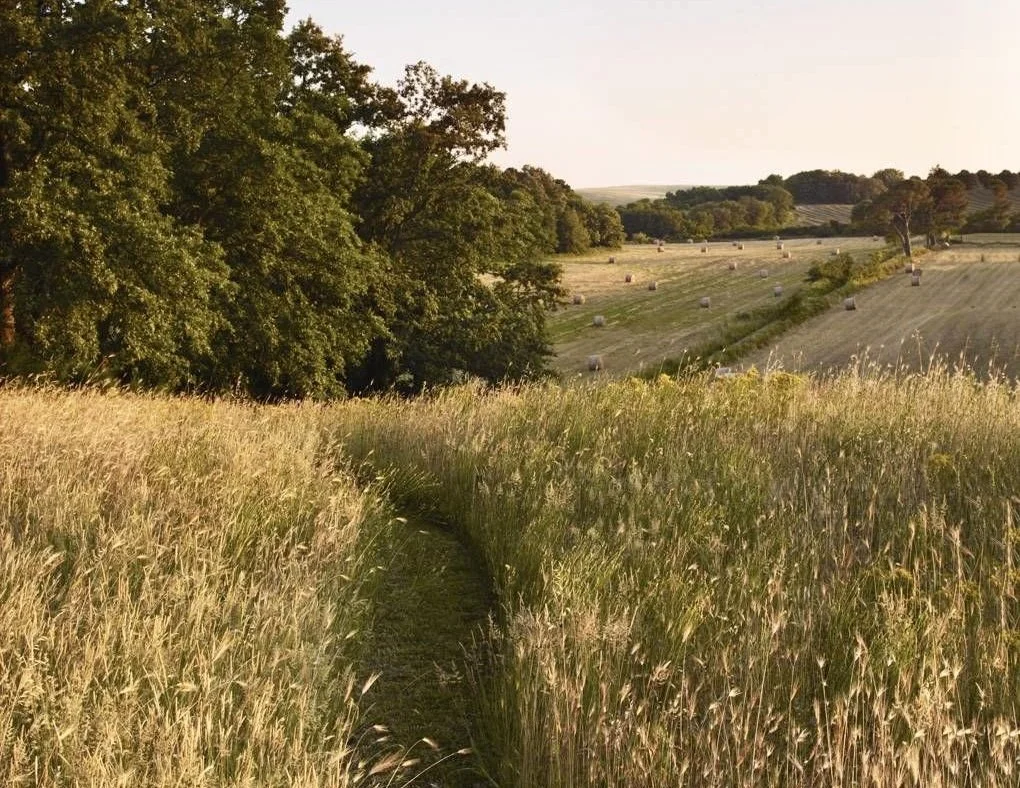
Harvest has always been one of the most important moments in the agricultural year. Before food could be transported around the world and supermarkets could offer almost anything at any time of year, the success of the harvest could determine whether a community had enough food to survive the winter. The gathering of the first grain was therefore something worth marking and celebrating.
One of the most enduring Lammas traditions was the making of a loaf from the new wheat. This loaf could be brought to church and blessed, before being shared or used as part of the celebrations.
The idea of taking the first grains or fruits of the harvest and returning something in gratitude is found across many different cultures and traditions. It reminds me of something Robin Wall Kimmerer writes about in Braiding Sweetgrass: the importance of recognising that the gifts of the natural world are not simply ours for the taking but part of a relationship of reciprocity.
Harvest traditions also developed around the wider agricultural year. Communities came together for harvest suppers, fairs and celebrations, and later in the year the completion of the harvest would be marked with harvest homes and harvest festivals.
Another fascinating tradition associated with harvest is gleaning – the gathering of leftover grain from fields after they had been harvested. Gleaning was an important part of rural life, particularly for poorer members of communities, and has a long history in Britain.
There were also traditions surrounding the final sheaf of grain, which could be fashioned into a corn dolly or other symbolic figure. These were sometimes kept in the home until the following spring, connecting one harvest with the next growing season.
Of course, the harvest isn’t only about grain - late summer brings its own abundance to the hedgerows. Blackberries, elderberries and other wild fruits begin to appear, and apples and plums start to ripen in gardens and orchards, but even this abundance is not guaranteed. A berry laden hedgerow is something to notice and appreciate precisely because it is part of a living, changing ecosystem – one that depends upon the weather and countless other conditions we rarely think about.
🌻 Symbolism
Lammas is full of warm, earthy imagery – golden fields, ripe fruit, baked bread and the first hints of autumn.
Colours: Gold, yellow, wheat, amber, warm orange, rust, deep green and earthy brown.
Plants: Wheat, barley, oats, sunflowers, corn, blackberries, elder, apples and wild grasses.
Animals: Bees, butterflies, swallows, grasshoppers and the birds feeding on the abundance of the hedgerows.
Foods: Fresh bread, berries, apples, oats, honey, potatoes, corn and anything freshly gathered from the garden or hedgerow.
Symbols: Wheat sheaves, loaves of bread, corn dollies, sickles, baskets and the first fruits of the harvest.
Themes: Harvest. Gratitude. Abundance. Community. Nourishment. Dependence. Fragility. Completion. Letting go.
🍞 Ways to celebrate Lammas
I think Lammas is one of those festivals that can be celebrated very simply. You don't need elaborate rituals or lots of special objects – the landscape is already doing most of the work for you.
You might like to:
Bake a loaf of bread from scratch, connecting with the old Lammas tradition of making bread from the first wheat harvest.
Buy a loaf from a local bakery and take a moment to appreciate all the work, land and resources that went into producing it.
Go blackberry picking or look for other seasonal fruits in the hedgerows.
Visit a local farm shop or farmers market and see what is being harvested.
Take a walk through the countryside and spend some time among the fields.
Photograph or sketch wheat, grasses, seed heads and late-summer flowers.
Make blackberry jam, an apple crumble or another seasonal recipe.
Have a picnic using as many local or seasonal ingredients as you can.
Make a small corn dolly or harvest decoration.
Gather some wheat, grasses or wildflowers for a simple seasonal arrangement.
Keep a harvest journal page documenting what is growing and ripening around you.
Share food with friends or family – Lammas is a lovely excuse for a little harvest feast.
Light a candle and reflect on the things you have to be grateful for.
Think about something you've nurtured this year that is now beginning to bear fruit.
Take a moment to think about the farmers and growers whose work is so dependent on conditions outside their control.
And perhaps most importantly, go outside and look. Notice which berries are ripe. Listen to the insects. Watch the swallows. Look for the first leaves beginning to change. The harvest is happening all around us – and this year it’s worth noticing not only its abundance, but its fragility.
🌿 Go deeper
If you fancy exploring the season a little further, here are a few late summer-adjacent books, films and other suggestions that have that particular hazy, languid, slightly bittersweet feeling of this time of year.
📖 Read
Braiding Sweetgrass – Robin Wall Kimmerer
Perhaps an obvious choice after mentioning it above, but Braiding Sweetgrass feels particularly fitting here. Kimmerer's writing about reciprocity, gratitude and our relationship with the natural world gives the idea of “harvest” a much deeper meaning.
Picnic at Hanging Rock - Joan Lindsey/Peter Weir
If you're looking for something that captures the strange, hazy feeling of late summer, Picnic at Hanging Rock is hard to beat. Joan Lindsay's novel and Peter Weir's 1975 film adaptation both create an atmosphere of heat, languor and unease, as a group of schoolgirls disappear during a Valentine's Day picnic at Hanging Rock. I read the book earlier this summer and it was so up my street - I’m hoping to watch the movie before the end of the season - it looks gorgeous.
🎬 Watch
The Wicker Man (1973)
It’s difficult to think about British seasonal folklore without eventually arriving at The Wicker Man. The film is steeped in ideas about ritual, landscape, fertility, harvest and the old rhythms of the agricultural year. PSA: This one won’t be for everyone so check the blurb before watching.
A Room with a View (1985)
For a completely different kind of summer atmosphere, A Room with a View captures that dreamy, languid feeling of a summer that seems to exist outside ordinary time. Sun-drenched landscapes, flowers, picnics, suppressed feelings and the sense that something is about to change.
The Secret Garden (1993)
A beautiful choice if you're drawn to stories about gardens, growing things and the relationship between people and the natural world. There is something particularly satisfying about watching a neglected garden come back to life.
Detectorists (BBC)
I have to recommend one of my favourite shows of all time. If you're looking for something gentle, Detectorists is practically a love letter to the English countryside. Fields, hedgerows, changing seasons, small communities and long stretches of sky – it captures the landscape in a way that feels natural and magical at the same time. It's also a good reminder that you don't need dramatic scenery for a place to feel full of history.
🌾 Wander
Find a wheat field or a stretch of countryside where you can see the harvest taking place.
Take your camera, sketchbook or nature journal and simply observe. What colours can you see?What plants are fruiting? Which flowers are beginning to fade? What signs can you find that summer is changing?
And maybe ask yourself a slightly different question this year:
What is the landscape telling me about the conditions it has experienced?
🫐 Forage
August is blackberry season and I can't think of a better way to connect with the first harvest than wandering along a hedgerow with a little basket. Pick responsibly, leave plenty for the birds and other wildlife, and take a moment to notice just how much food can be found growing around us. There act of foraging and returning home with purple stared fingers and a basket of berries really does connect us to the old ways.
📝 Journal Prompts
What have I planted, nurtured or worked towards this year?
What is beginning to come to fruition?
What can I gather and enjoy now?
What have I created that I haven't stopped to appreciate?
🃏 Tarot
Pull a single card and ask:
What is ready to be harvested in my life?
Or:
What have I grown that I haven't yet stopped to appreciate?
You could also do this three card spread:
What have I planted?
What has grown?
What am I ready to gather?
🌾 A final thought
One of the things I love most about following the Wheel of the Year is that it encourages us to notice things that are very easy to overlook. By August, summer can feel as though it has been going on forever. The days are still long, the gardens are full and there are still plenty of warm evenings ahead. But look a little closer and the landscape is already changing, with the wheat turning gold, blackberries beginning to ripen, the first apples appearing and the evenings slowly drawing in. Seeds have become flowers, flowers have become fruit, and all around us nature is moving from growing towards gathering.
This year I don't want to look at the harvest without also thinking about how vulnerable it is. The heatwaves and drought have been a reminder that the abundance we see around us is not something we are owed. A field of wheat depends upon rain arriving at the right time. Fruit depends upon flowers being pollinated. Gardens depend upon water. Farmers depend upon conditions they can prepare for, but never fully control. It is easy to romanticise the harvest when we encounter it as a golden field on a summer walk. It’s much harder to think about it as food security, livelihoods and the result of months of work.
Maybe this is what Lammas has to teach us during this particular season of humanity’s time on earth?
Gratitude means recognising how precious abundance is, and remembering that it shouldn’t be taken for granted. It’s understanding that the harvest is a gift rather than a guarantee. It’s acknowledging the people, animals, soil, water and weather that have all played a part in bringing food to our tables. Gratitude for me in this particular moment means doing what we can to protect the earth that provides for us – in the choices we make, the way we live, and the things we are willing to change.
I think there is also something else to learn from the fact that I'm writing this a little later than 1st August. Lammas may have a date on the calendar, but the harvest doesn't. The wheat is ready when it is ready. The berries ripen when they ripen. The seasons don't hurry themselves to meet our schedules.
The Wheel of the Year turns whether we're ready for it or not and I hope this reminds you that we don’t need to be perfectly on time either - we can arrive when we're ready. We can pause when we need to. We can notice the harvest a few days after the calendar tells us to, and still be fully present for it.
For now, summer is still here but soon the first golden threads of autumn will begin to appear. So gather what is ready, give thanks for what has grown, notice what made that growth possible - and savour it while you can. 🌾